
Deceptive Coloration |
Deceptive coloration
is when an organism's color fools either its predators or its prey. There are
two types of deceptive coloration: camouflage and mimicry. Camouflage Blending In: Stripes or Solids?
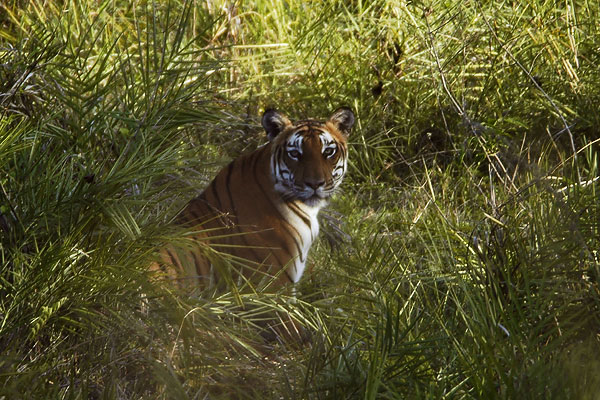
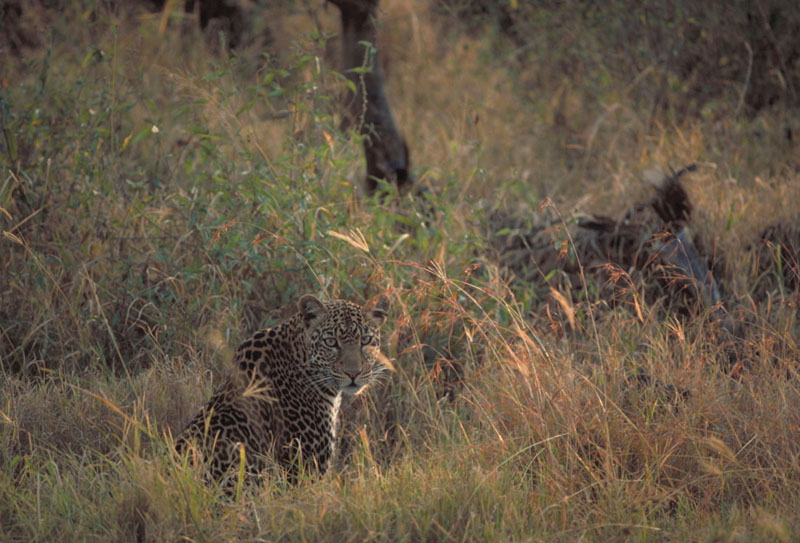
Disruptive Coloration - Break It Up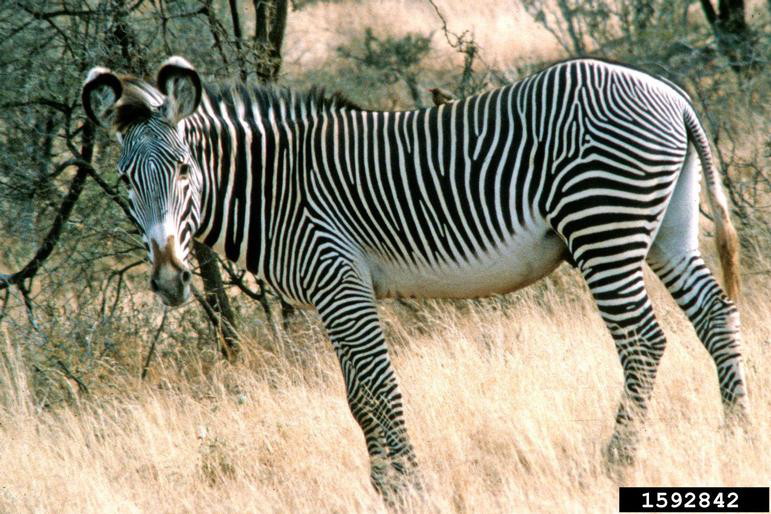 Stripes and spots can be disruptive coloration. Disruptive coloration helps break up an animal's outline. This makes it difficult for other animals to see it.
You'd think that the black and white stripes of the zebra would make it easy for predators to see it! The main predator of the zebra is the lion. Lions don't like to hunt in the heat of the day, they prefer sleeping in the shade. They hunt as it gets dark. As the sun goes down, the black and white stripes of the zebra help it blend into the tall grass.
But the zebra's stripes have another purpose. Stripes and spots can be disruptive coloration. Disruptive coloration helps break up an animal's outline. This makes it difficult for other animals to see it.
You'd think that the black and white stripes of the zebra would make it easy for predators to see it! The main predator of the zebra is the lion. Lions don't like to hunt in the heat of the day, they prefer sleeping in the shade. They hunt as it gets dark. As the sun goes down, the black and white stripes of the zebra help it blend into the tall grass.
But the zebra's stripes have another purpose. 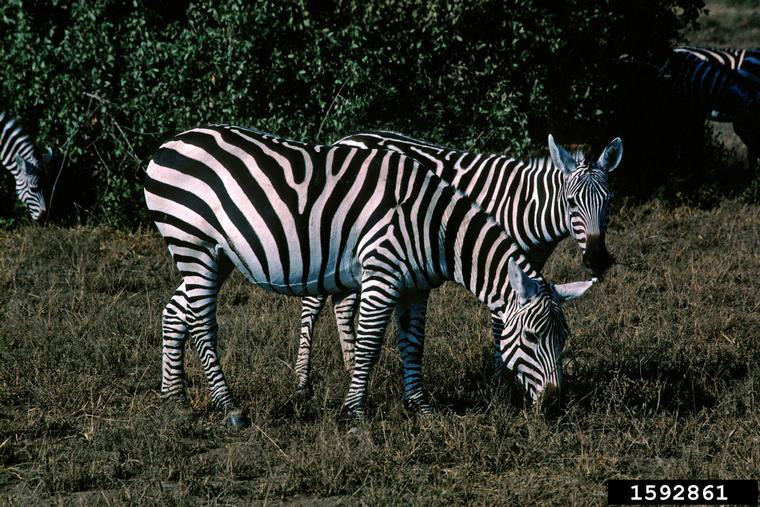 Zebras live in herds. Lions like to pick out one member of the herd that looks weak. When the lion attacks, the zebras start running in all directions. With all those stripes mixing together, its easy for the lion to lose the zebra it picked out of the herd. Zebras live in herds. Lions like to pick out one member of the herd that looks weak. When the lion attacks, the zebras start running in all directions. With all those stripes mixing together, its easy for the lion to lose the zebra it picked out of the herd.
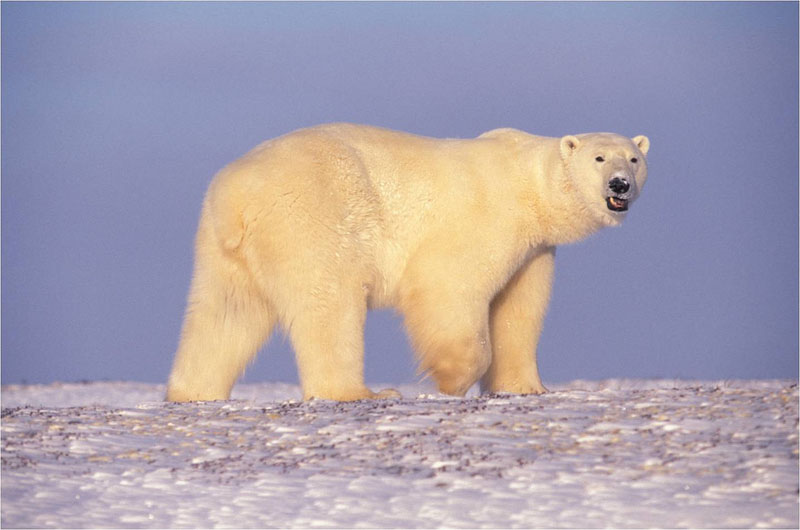
Solid Color
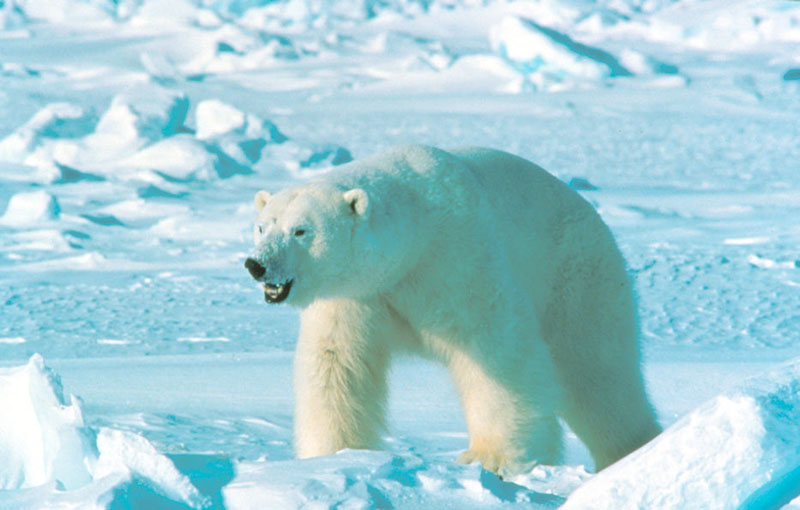
Top and Bottom: Counter ShadingAnother type of camouflage is called counter shading. Animals with countershading have different colors on their backs and stomachs.
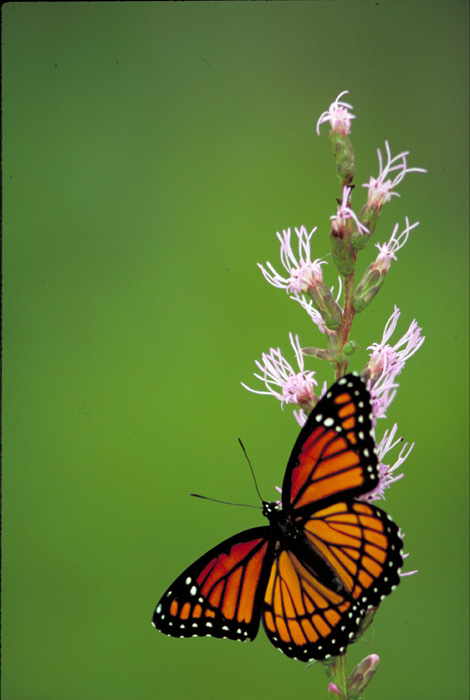
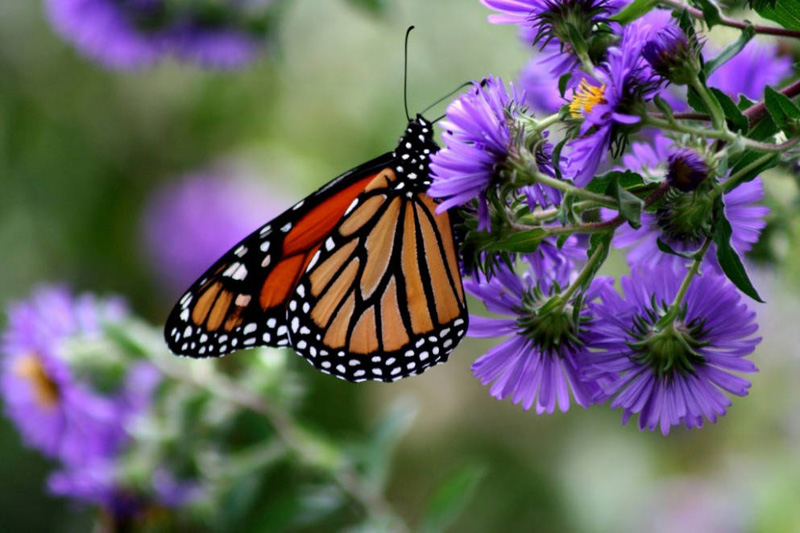
| MimicrySome animals and plants look like other things -- they mimic them. Mimicry is another type of deceptive coloration. It can protect the mimic from predators or hide the mimic from prey.If mimicry was a play, there would be three characters. The Model - the species or object that is copied. The Mimic - looks and acts like another species or object. The Dupe- the tricked predator or prey.
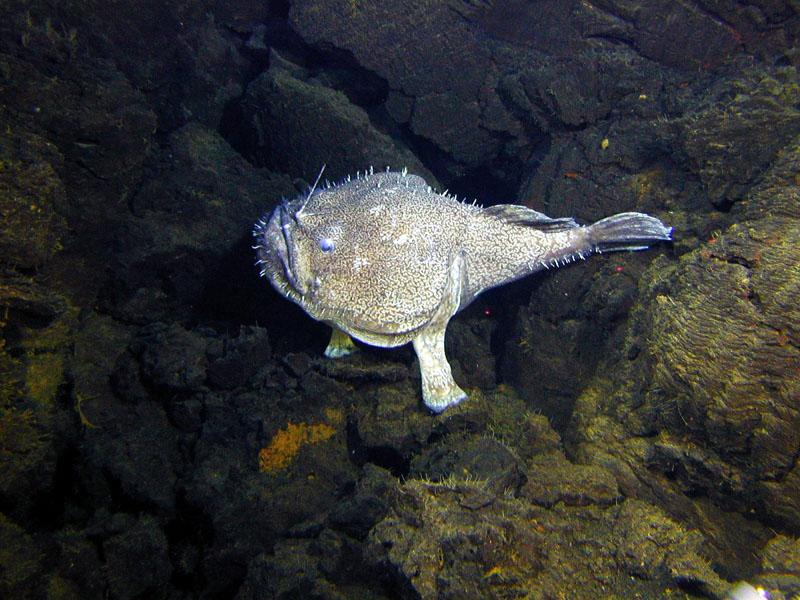
Can You Tell the Difference? Aggressive MimicrySome mimics look like something else, not to avoid predators, but to catch prey. Aggressive mimics resemble their background or signal that they are something else to help them catch their prey.
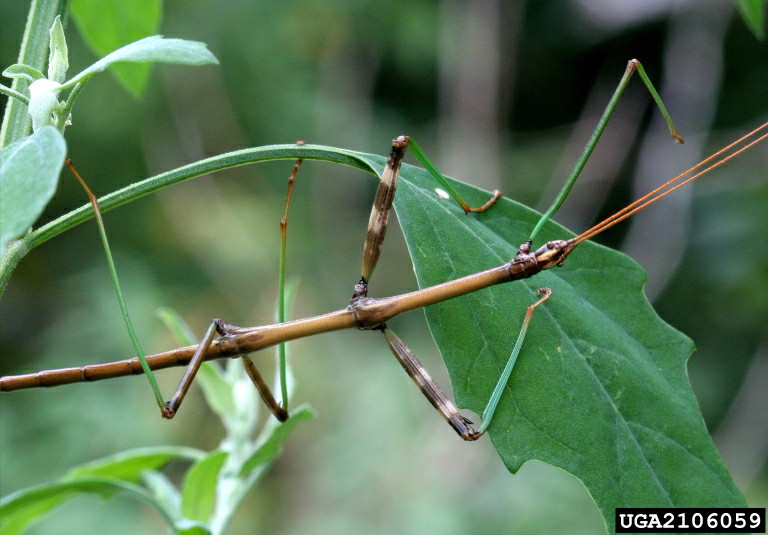
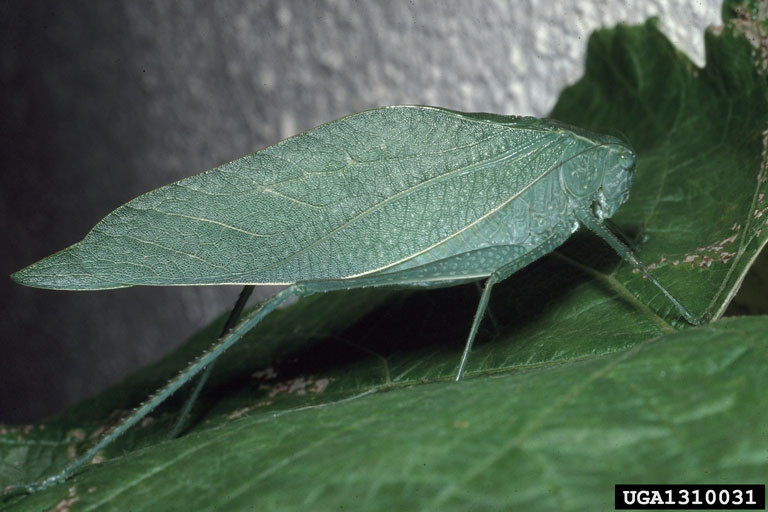
Cryptic ColorationSome organisms look so much like another object that they almost disappear!
Species in this order all have one thing in common - they are masters of disguise! Because walking sticks look like twigs and sticks it is very difficult for predators to spot them! Most species of walking stick have no wings or very small, non-functioning wings. Walking sticks also move slowly, so they don't attract predators.
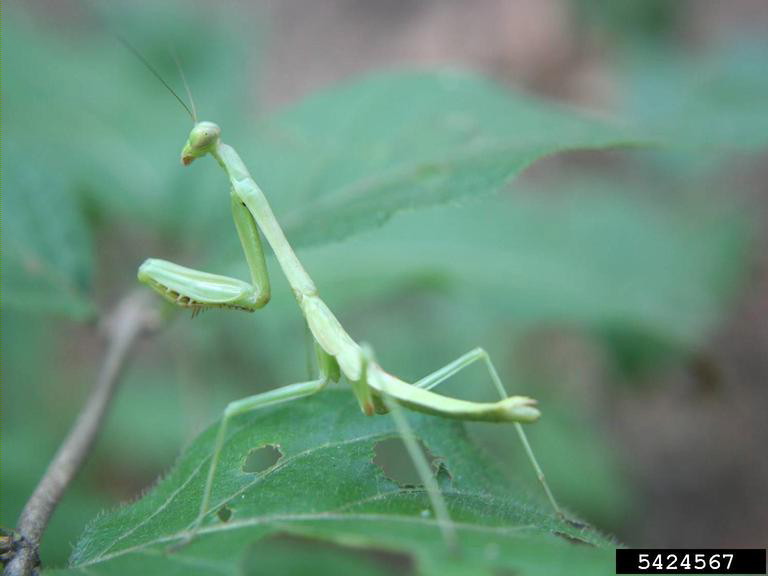
The praying mantis can look like a leaf and a twig! The praying mantis is a member of the Mantidae family of insects. There are over 2,400 species of mantises found around the world. Eyespots: I'm Watching You!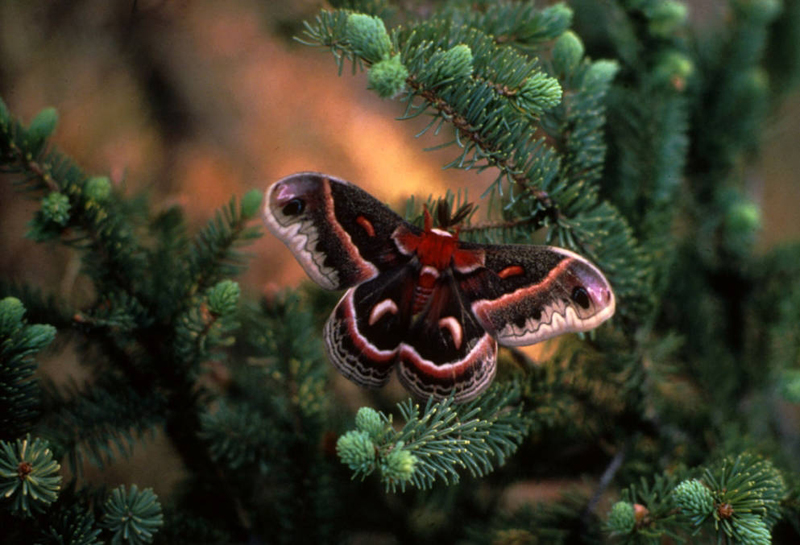 Some butterflies and moths have large eyespots. These eyespots trick birds into thinking the butterfly or moth is much larger than it really is! Some butterflies and moths have large eyespots. These eyespots trick birds into thinking the butterfly or moth is much larger than it really is! |