|
 There are 8 species of bears in this family. They are found in
all parts of the world, except Antarctica and Australia. Bears are found in a wide variety of habitats including deserts, grasslands, tundra, forests,
mountains, and ice floes. There are 8 species of bears in this family. They are found in
all parts of the world, except Antarctica and Australia. Bears are found in a wide variety of habitats including deserts, grasslands, tundra, forests,
mountains, and ice floes.
Bears are large animals and have
small, rounded ears; pointed snouts; small eyes; and short tails.
Most bears have long, shaggy brown, black, or white fur. Males are larger than females. Bears have large paws with five strong claws that they use for digging, climbing, and catching their prey. Bears can stand and walk on their hind legs. Many species can climb trees and swim.
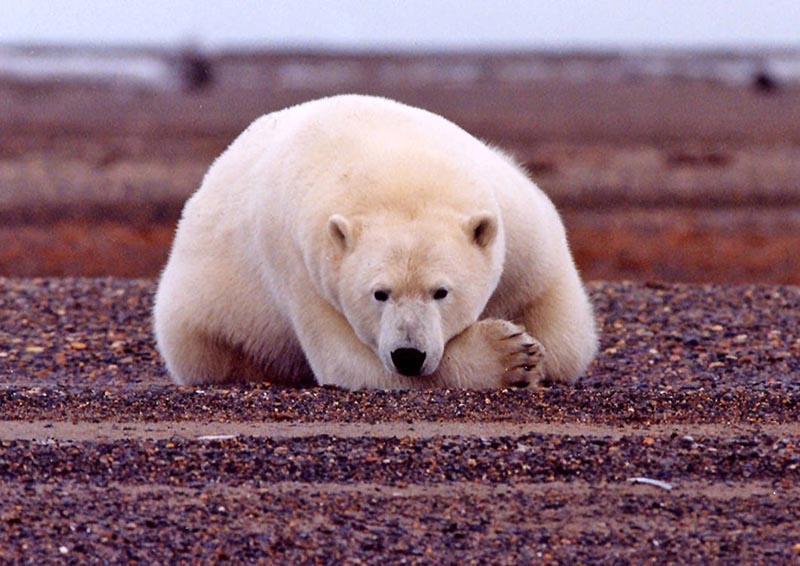
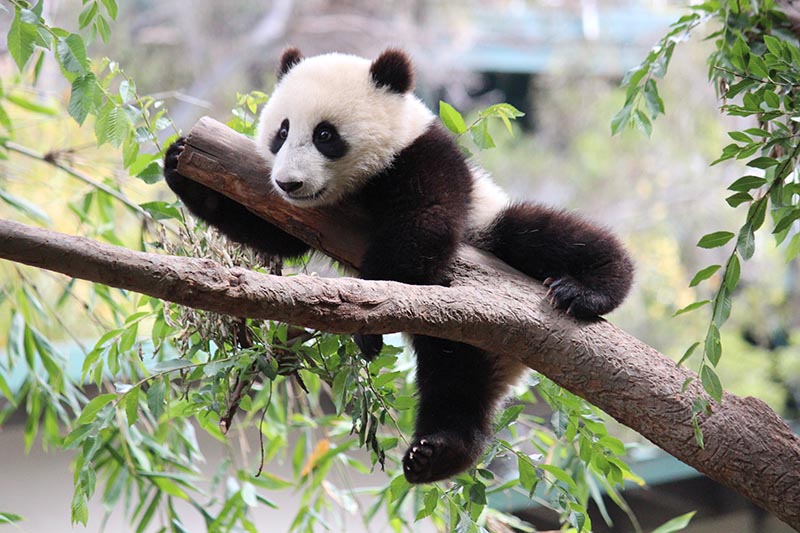
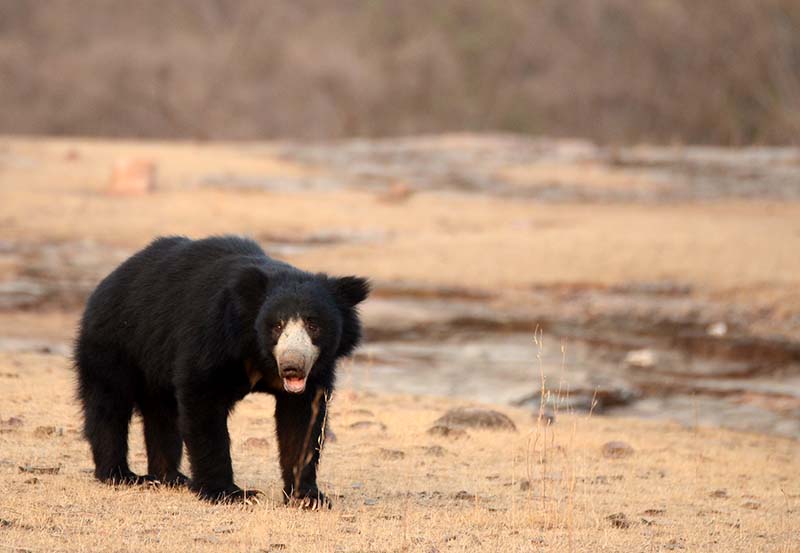
Bears are omnivores. They eat fruit, berries, seeds, small mammals, birds, eggs, fish, insects, reptiles, amphibians, and carrion. The polar bear eats mostly meat and hunts seals. The panda eats mostly bamboo, but also eats insects and carrion. The sloth bear eats mostly termites and ants.
Except for mothers and their young, bears are solitary and live and hunt alone.
World Status Key
 Least Concern Least Concern  Near Threatened Near Threatened  Vulnerable Vulnerable  Endangered Endangered  Critically Endangered Critically Endangered  Extinct in Wild Extinct in Wild  Extinct Extinct  Not Enough Data Not Enough Data
Status and range is taken from ICUN Redlist.
U.S. Status Key
 Threatened in US Threatened in US  Endangered in US Endangered in US  Introduced Introduced
Status taken from US Fish and Wildlife. Click on U.S. status icon to go to the U.S. Fish and Wildlife species profile. |
|
New Hampshire Status Key
 Threatened in NH Threatened in NH  Endangered in NH Endangered in NH  Breeds in NH (birds) Breeds in NH (birds)
Status taken from NH Fish and Game |
Location Key
 Africa Africa  Asia Asia  Australia/Oceania Australia/Oceania  Europe Europe  North America North America  South America South America  NH NH  Click for More Info Click for More Info  Click for Image Click for Image
Additional Information
Key:  Profile Profile  Photos Photos  Video Video  Audio Audio
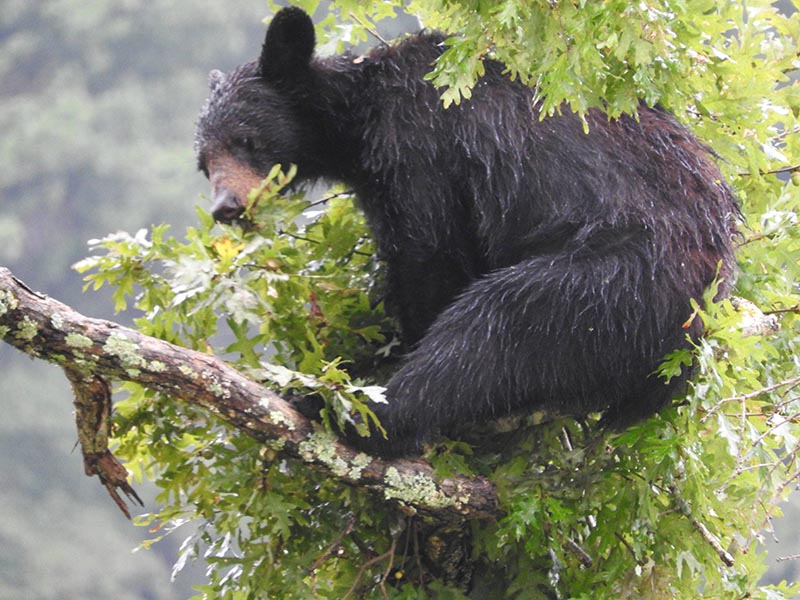
American Black Bear - Ursus americanus
The American black bear is the smallest North American bear.
Source: Animal Diversity Web Intended Audience: General Reading Level: Middle School Teacher Section: No
American Black Bear - Ursus americanus
Except for during the mating season and when raising young, the black bear is a solitary animal.
Source: USDA Forest Service Intended Audience: General Reading Level: High School Teacher Section: No
American Black Bear - Ursus americanus
Most black bears hibernate for up to seven months.
Source: Smithsonian National Museum of Natural History Intended Audience: General Reading Level: Middle School Teacher Section: No
American Black Bear - Ursus americanus
Despite their name, black bears can also be a variety of shades of brown or even silver-gray or white.
Source: Arkive Intended Audience: General Reading Level: Middle School Teacher Section: Yes
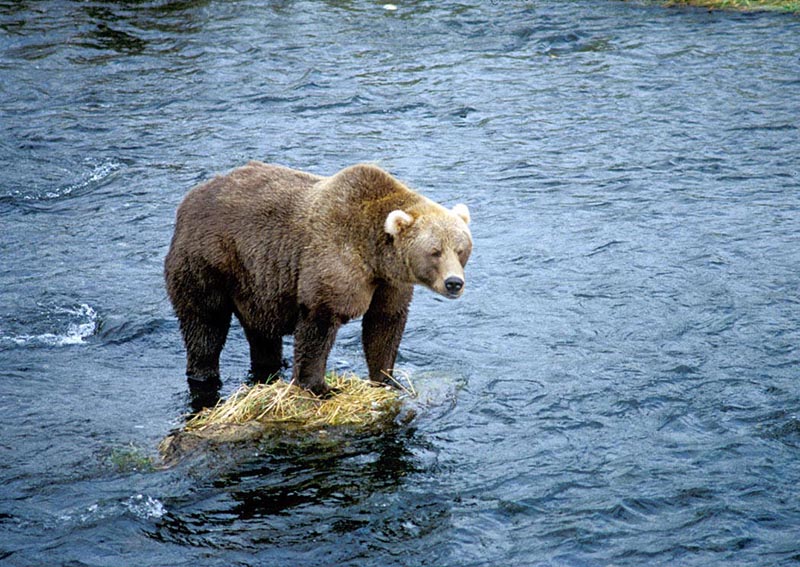
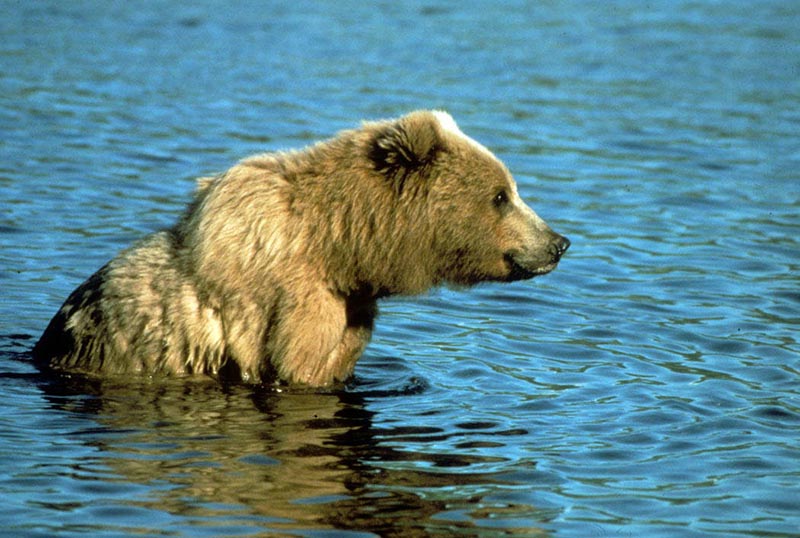
Brown Bear - Ursus arctos
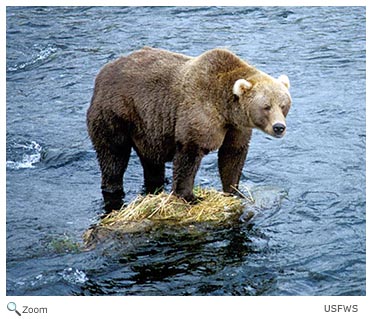
The brown bear is also known as the grizzly bear. Some brown bears have fur that is tipped in a lighter color than the rest of its fur. This gives the fur a grizzled look and is how the bear got the name grizzly bear.
Source: Animal Diversity Web Intended Audience: General Reading Level: Middle School Teacher Section: No
Brown Bear - Ursus arctos
The brown bear's range circles the Arctic. It is found from the Arctic coast down into central parts of Europe and Asia. In North America, it is found in Alaska, Wyoming, Montana, Idaho and Washington as well as western Canada.
Source: Arkive Intended Audience: General Reading Level: Middle School Teacher Section: Yes
Brown Bear - Ursus arctos
Brown bears are solitary.
Source: Smithsonian National Museum of Natural History Intended Audience: General Reading Level: Middle School Teacher Section: No
Brown Bear - Ursus arctos
Brown bears can run at speeds of up to 35 mph.
Source: PBS Nature Intended Audience: General Reading Level: Middle School Teacher Section: No
Polar Bear - Ursus maritimus
The polar bear is found around the North Pole. It is found in Greenland and the far northern areas of North America, Europe, and Asia.
Source: Animal Diversity Web Intended Audience: General Reading Level: Middle School Teacher Section: No
Polar Bear - Ursus maritimus
The polar bear is the largest living land carnivore.
Source: Arkive Intended Audience: General Reading Level: Middle School Teacher Section: Yes
Polar Bear - Ursus maritimus
Most of the polar bear's diet is made up of ringed seals.
Source: Smithsonian National Museum of Natural History Intended Audience: General Reading Level: Middle School Teacher Section: No
Giant Panda - Ailuropoda melanoleuca
The giant panda is found in Sichuan, Shaanxi and Gansu provinces in central China.
Source: Animal Diversity Web Intended Audience: General Reading Level: Middle School Teacher Section: No
Giant Panda - Ailuropoda melanoleuca
Except for mating season and when raising young, giant pandas are solitary.
Source: Arkive Intended Audience: General Reading Level: Middle School Teacher Section: Yes
Giant Panda - Ailuropoda melanoleuca
Giant pandas eat 20 to 40 pounds of bamboo each day.
Source: Smithsonian National Zoo Intended Audience: General Reading Level: Middle School Teacher Section: Yes
Sun Bear - Helarctos malayanus
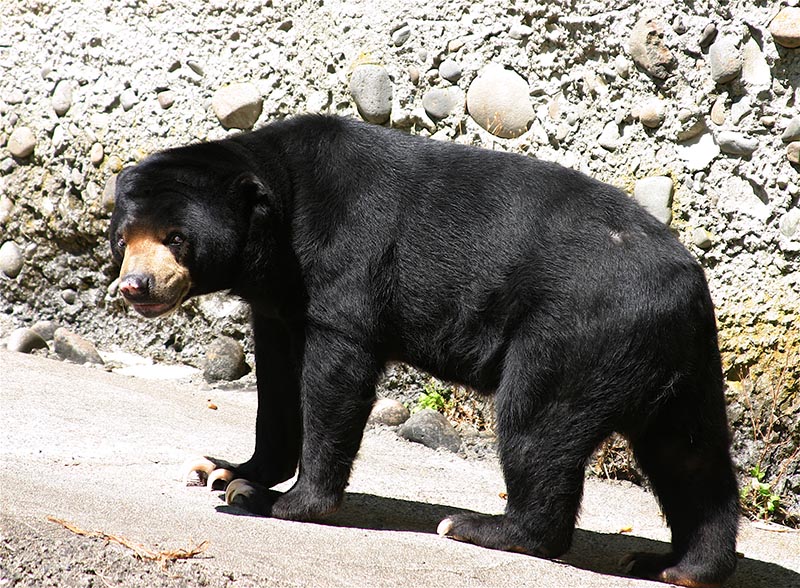
The sun bear is also known as the Malayan sun bear. It is native to Bangladesh, Brunei Darussalam, Cambodia, India, Indonesia, Laos, Malaysia, Myanmar, Thailand, and Vietnam.
Source: Animal Diversity Web Intended Audience: General Reading Level: Middle School Teacher Section: No
Sun Bear - Helarctos malayanus
The sun bear is the smallest member of the bear family.
Source: Arkive Intended Audience: General Reading Level: Middle School Teacher Section: Yes
Sloth Bear - Melursus ursinus
The sloth bear is found in India, Nepal, and Sri Lanka.
Source: Animal Diversity Web Intended Audience: General Reading Level: Middle School Teacher Section: No
Sloth Bear - Melursus ursinus
Most of the sloth bear's diet consists of termites and ants.
Source: Smithsonian National Zoo Intended Audience: General Reading Level: Middle School Teacher Section: Yes
Sloth Bear - Melursus ursinus
The sloth bear has a long, shaggy coat.
Source: Arkive Intended Audience: General Reading Level: Middle School Teacher Section: Yes
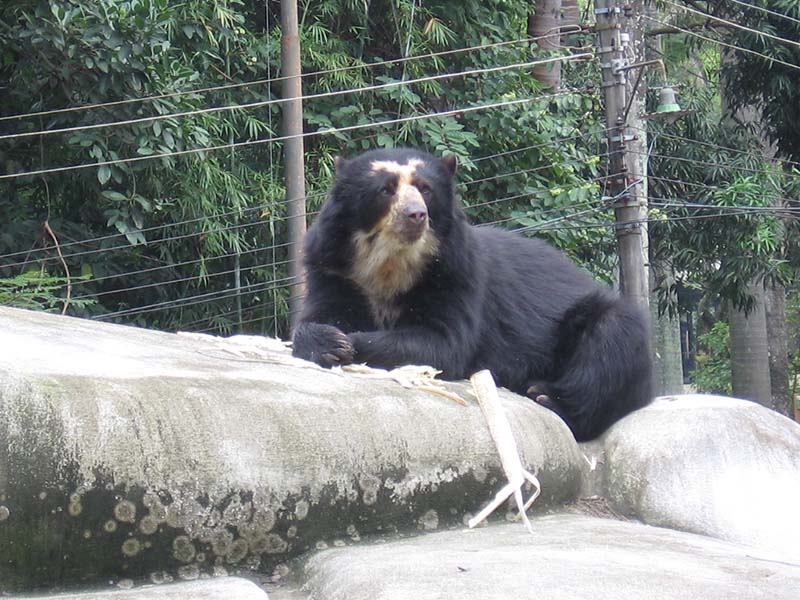
Spectacled Bear - Tremarctos ornatus
The spectacled bear is found in the Andes in Bolivia, Colombia, Ecuador, Peru, and Venezuela.
Source: Animal Diversity Web Intended Audience: General Reading Level: Middle School Teacher Section: No
Spectacled Bear - Tremarctos ornatus
The spectacled bear is the only bear species found in South America.
Source: Arkive Intended Audience: General Reading Level: Middle School Teacher Section: Yes
Spectacled Bear - Tremarctos ornatus
The spectacled bear is also known as the Andean bear.
Source: Arkive Intended Audience: General Reading Level: Middle School Teacher Section: Yes
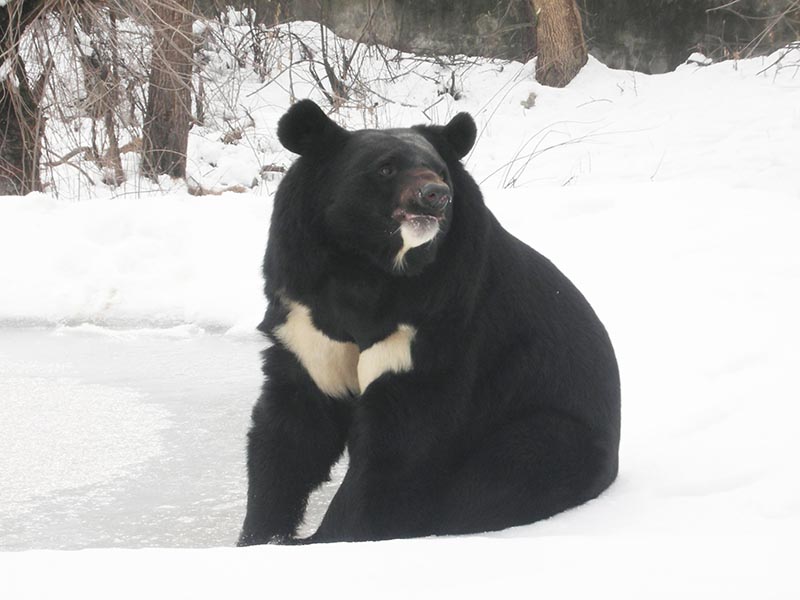
Asiatic Black Bear - Ursus thibetanus
The Asiatic black bear is native to Afghanistan, Bangladesh, Bhutan, Cambodia, China, India, Iran, Japan, North Korea, South Korea, Laos, Myanmar, Nepal, Pakistan, Russia, Taiwan, Thailand, and Vietnam.
Source: Animal Diversity Web Intended Audience: General Reading Level: Middle School Teacher Section: No
Asiatic Black Bear - Ursus thibetanus
The Asiatic black bear is also know as the moon bear because of the crescent-shaped ruff of cream colored fur on its chest.
Source: Arkive Intended Audience: General Reading Level: Middle School Teacher Section: Yes
|